The Supplement Library

Plain-language notes on 25 commonly used vitamins and supplements: what they are, what people take them for, and what to check before you buy.

How this library works

This library is a reference for 25 vitamins and supplements that readers ask about often. Each entry explains what the supplement is, what it is commonly taken for, who may want to speak with a clinician before using it, the forms you will see on shelves, and what to look for on a label. It is meant to help you prepare better questions for a doctor or pharmacist, not to tell you what to take.

How entries are written. Entries summarize public sources, giving priority to the NIH Office of Dietary Supplements and other government and peer-reviewed material, as described in our editorial standards. Where research is mixed or limited, we say so. We deliberately do not list doses, because a suitable amount depends on your diet, health and medicines. Being listed here is not an endorsement, and a supplement that is missing is not a warning against it.

How it is kept up to date. The entries on this page were last reviewed in November 2026. We aim to review them at least once a year, and sooner when an official source changes its guidance. If you spot an error or an outdated statement, please tell us through the contact page and we will look into it.

What “we earn from qualifying purchases” means. MyVitaminMatch is an Amazon Associate. If you click a “View on Amazon” link and then buy something, Amazon pays us a small commission, and the price you pay does not change. The links are examples of products on the market, shown after the information rather than ahead of it. We do not test products ourselves, and the text of each entry is the same whether or not anyone clicks. Our affiliate disclosure has the full details.

Not medical advice. This library is for general education. Supplements can interact with medicines and are not right for everyone, especially during pregnancy, with chronic conditions, or before surgery. Talk with a doctor, pharmacist or other qualified healthcare professional before starting, stopping or combining supplements.
Showing 25 of 25 entries

Links labeled “View on Amazon” are affiliate links. As an Amazon Associate we earn from qualifying purchases.

Vitamin D3 supplement bottle (example product listing)

Vitamin D3

What it is. Vitamin D is a fat-soluble vitamin that the skin makes with sunlight exposure and that is also found in a few foods and fortified products. D3 (cholecalciferol) is one of the two supplement forms; the other is D2.

What it is often taken for. Often taken to help maintain bone health and normal calcium handling, particularly by people with limited sun exposure or few dietary sources. Research on benefits beyond bone health is mixed.

Who may want to ask a clinician first. Ask a clinician first if you are pregnant or nursing, have kidney disease or a condition that affects calcium levels, or take medicines that affect vitamin D or calcium. A blood test, not symptoms alone, is how a low level is identified.

Common forms. Softgels, capsules, chewables, gummies and liquid drops; often paired with vitamin K2 or included in multivitamins.

Label checks. Check whether the product is D2 or D3, note the amount per serving, and look for a third-party testing seal such as USP or NSF. Add up vitamin D from every product you use, since multivitamins and fortified foods contribute too.

Read more: Vitamin D, K2 and magnesium: do you need all three? · At-home vitamin and nutrient tests
Official source: NIH Office of Dietary Supplements: Vitamin D

View on Amazon Affiliate link. As an Amazon Associate we earn from qualifying purchases. Appearing here is not an endorsement.

Magnesium supplement bottle (example product listing)

Magnesium

What it is. Magnesium is an essential mineral involved in many enzyme reactions, including those tied to muscle and nerve function. It is found in leafy greens, nuts, seeds, legumes and whole grains.

What it is often taken for. Often taken by people who feel their diet falls short, and for muscle cramps, constipation or sleep. Evidence for sleep benefits is limited and mixed, and results seem to differ by person and by form.

Who may want to ask a clinician first. Ask a clinician or pharmacist first if you have kidney disease, a heart rhythm condition, or take medicines such as certain antibiotics, diuretics or bone-density drugs, because magnesium can interact with some of them.

Common forms. Glycinate, citrate, malate, oxide, threonate and others. Forms differ in how well they are tolerated; some, such as citrate and oxide, can loosen stools.

Label checks. Look at the elemental magnesium amount, not just the weight of the compound, and look for a USP or NSF seal. Several products combine magnesium with other ingredients, so read the full facts panel.

Read more: Magnesium for sleep: what the evidence says · Ketogenic diet and supplements: nutrients to review
Official source: NIH Office of Dietary Supplements: Magnesium

View on Amazon Affiliate link. As an Amazon Associate we earn from qualifying purchases. Appearing here is not an endorsement.
Omega-3 fish oil supplement bottle (example product listing)

Omega-3 Fish Oil

What it is. Omega-3s are fats the body cannot make well on its own. EPA and DHA come mainly from fatty fish, fish oil and algae oil, while ALA comes from plant foods such as flax and walnuts.

What it is often taken for. Often taken by people who rarely eat fish. Research on heart and brain outcomes is mixed, and some prescription omega-3 medicines are different products from over-the-counter fish oil.

Who may want to ask a clinician first. Ask a clinician first if you take blood thinners, have a bleeding disorder, are scheduled for surgery, have a fish or shellfish allergy, or are pregnant or nursing.

Common forms. Softgels, liquids and gummies made from fish oil, krill oil or algae oil; algae oil is the usual option for people who avoid fish.

Label checks. Check the separate EPA and DHA amounts rather than the total "fish oil" figure, look for freshness or purity information, and look for a USP or NSF seal. Burping or a fishy taste can be a sign to try a different product.

Read more: Omega-3 fish oil: what the NIH says about dose and evidence · Mediterranean diet and supplements
Official source: NIH Office of Dietary Supplements: Omega-3 fatty acids

View on Amazon Affiliate link. As an Amazon Associate we earn from qualifying purchases. Appearing here is not an endorsement.

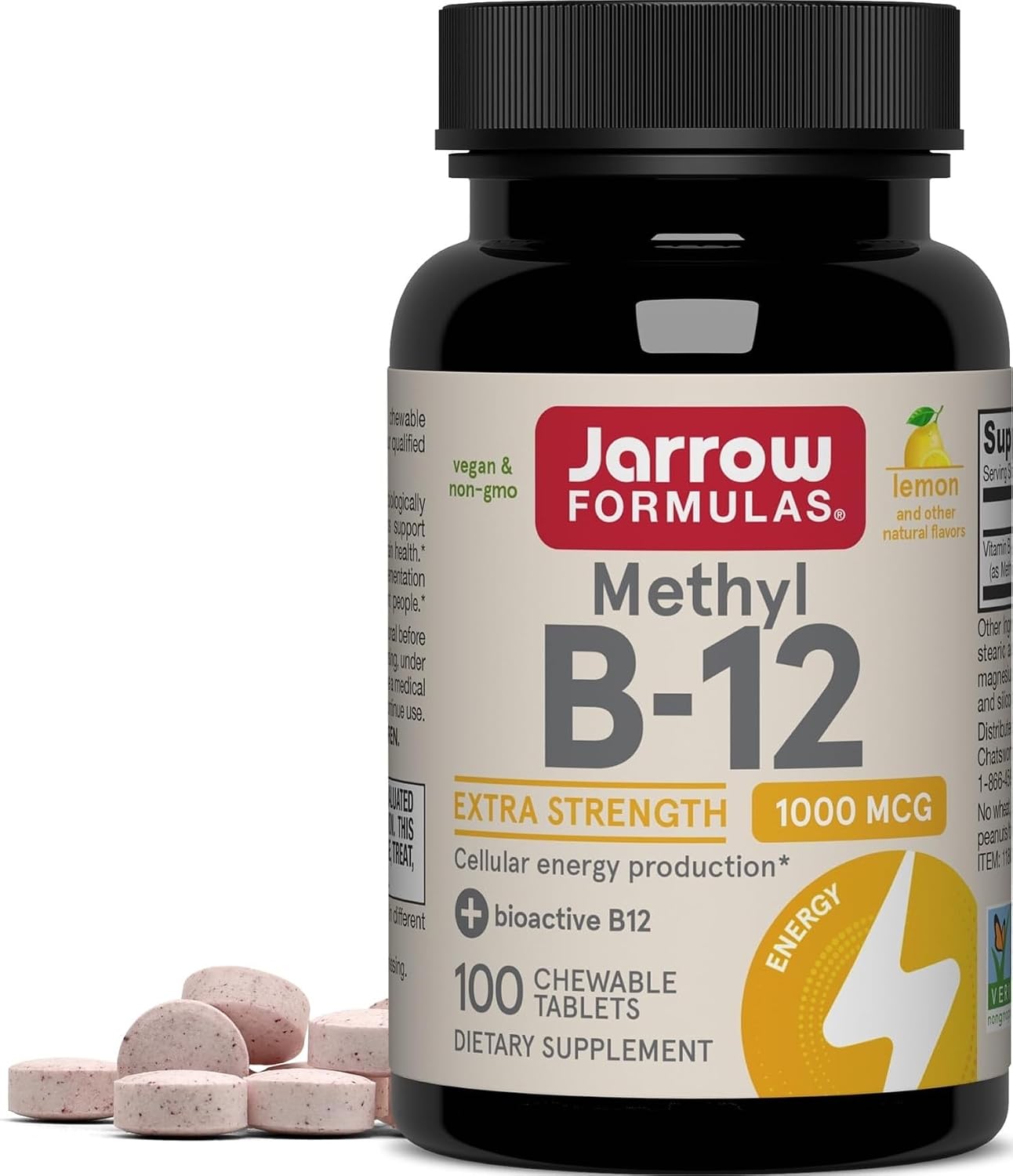
Vitamin B12 supplement bottle (example product listing)

Vitamin B12

What it is. Vitamin B12 is a water-soluble vitamin needed for nerve function and for making red blood cells. It occurs naturally in animal foods and is added to some fortified foods.

What it is often taken for. Often taken by people who follow vegan or vegetarian diets, older adults, and people with conditions or medicines that reduce absorption. It is not shown to boost energy in people who are not low.

Who may want to ask a clinician first. Ask a clinician about testing if you have numbness, tingling, unusual fatigue or memory changes, rather than self-treating. Some medicines, including metformin and acid reducers, can lower B12 absorption.

Common forms. Cyanocobalamin, methylcobalamin and others as tablets, sublingual lozenges, sprays and gummies; a clinician can also prescribe injections.

Label checks. Note which form it contains and how much per serving, and look for a USP or NSF seal. Many B12 products are also sold inside B-complex or multivitamin formulas.

Read more: Low vitamin B12: signs, risk and testing · Plant-based diets: nutrients to plan for
Official source: NIH Office of Dietary Supplements: Vitamin B12

View on Amazon Affiliate link. As an Amazon Associate we earn from qualifying purchases. Appearing here is not an endorsement.
Zinc supplement bottle (example product listing)

Zinc

What it is. Zinc is an essential mineral involved in immune function, wound healing and the senses of taste and smell. Good food sources include meat, shellfish, legumes and seeds.

What it is often taken for. Often taken for immune support and during colds, and by people whose diets are low in zinc, such as some vegetarians. Research on colds is mixed and appears to depend on the product and how it is used.

Who may want to ask a clinician first. Ask a clinician or pharmacist first if you take antibiotics or other long-term medicines. Long-term high intake can lower copper levels. Zinc nasal products have been linked to loss of smell, so they are generally best avoided.

Common forms. Gluconate, citrate, picolinate and acetate in capsules, tablets and lozenges.

Label checks. Check the elemental zinc amount per serving, whether copper is included, and look for a USP or NSF seal. Remember that multivitamins and some immune blends also contain zinc.

Read more: Plant-based diets: nutrients to plan for · Daily supplements: what people take and what the NIH says
Official source: NIH Office of Dietary Supplements: Zinc

View on Amazon Affiliate link. As an Amazon Associate we earn from qualifying purchases. Appearing here is not an endorsement.

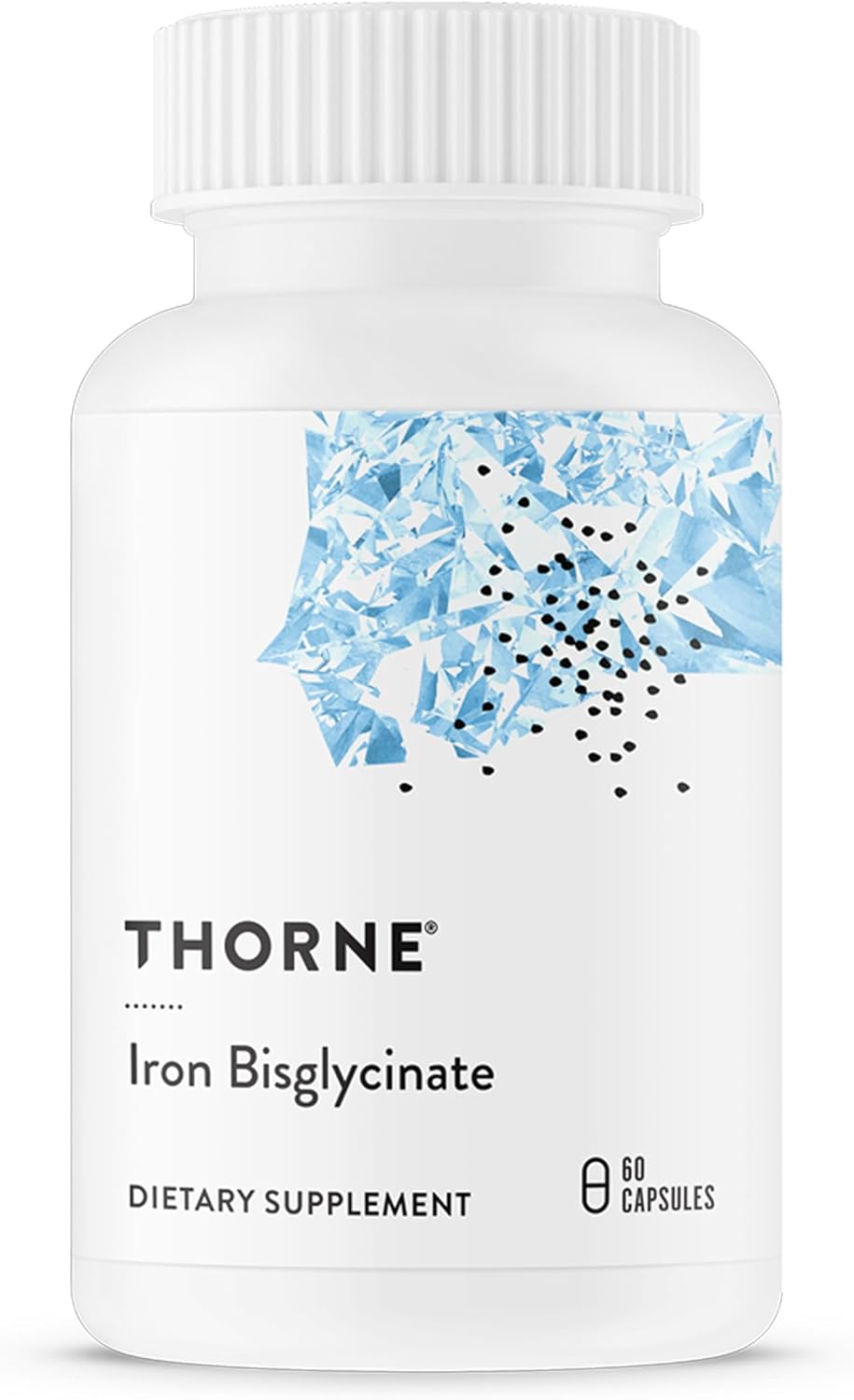
Iron supplement bottle (example product listing)

Iron

What it is. Iron is a mineral the body uses to make hemoglobin, the protein in red blood cells that carries oxygen. Ferritin, often mentioned alongside it, is a blood test that reflects stored iron rather than a supplement.

What it is often taken for. Often taken by people a clinician has found to have low iron, including some menstruating people, during pregnancy as directed by a clinician, and some people on vegetarian or vegan diets.

Who may want to ask a clinician first. Do not start iron on a hunch. Ask a clinician first, ideally after testing, because too much iron can be harmful and some people store it excessively. Keep iron products out of children's reach, since accidental overdose can be serious.

Common forms. Ferrous sulfate, ferrous gluconate, ferrous fumarate and iron bisglycinate as tablets, capsules and liquids. Constipation and stomach upset are common reasons people switch forms.

Label checks. Check the elemental iron amount, look for child-resistant packaging, and look for a USP or NSF seal. Some multivitamins are made without iron on purpose.

Read more: At-home vitamin and nutrient tests · Plant-based diets: nutrients to plan for
Official source: NIH Office of Dietary Supplements: Iron

View on Amazon Affiliate link. As an Amazon Associate we earn from qualifying purchases. Appearing here is not an endorsement.

Folate supplement bottle (example product listing)

Folate (B9)

What it is. Folate is the natural B vitamin found in leafy greens, beans and citrus; folic acid is the form used in supplements and fortified foods. It is needed for cell division and DNA synthesis.

What it is often taken for. Often taken by people who could become pregnant or are pregnant, usually inside a prenatal vitamin, because health agencies recommend discussing folic acid before and during pregnancy with a clinician.

Who may want to ask a clinician first. Talk with a clinician if you are planning a pregnancy, have a B12 deficiency (high folate can mask it), or take medicines such as methotrexate or some anti-seizure drugs that interact with folate.

Common forms. Folic acid and methylfolate (5-MTHF) as tablets or capsules, and as a component of prenatal vitamins and B-complex products.

Label checks. Check which form is used and how much is listed, often in micrograms of dietary folate equivalents (DFE), and look for a USP or NSF seal.

Read more: Daily supplements: what people take and what the NIH says · Low vitamin B12: signs, risk and testing
Official source: NIH Office of Dietary Supplements: Folate

View on Amazon Affiliate link. As an Amazon Associate we earn from qualifying purchases. Appearing here is not an endorsement.

Probiotic supplement bottle (example product listing)

Probiotics

What it is. Probiotics are live microorganisms, most often certain bacteria or yeasts, that are sold as supplements and are also found in some fermented foods.

What it is often taken for. Often taken for digestive comfort or after a course of antibiotics. Research is specific to particular strains and conditions, so results for one product do not apply to another, and findings are mixed.

Who may want to ask a clinician first. Ask a clinician first if you have a weakened immune system, a serious illness, a central venous catheter, or are giving a product to a premature infant. Pregnant or nursing people should also check first.

Common forms. Capsules, powders, gummies and drinks; some products need refrigeration and others are shelf-stable.

Label checks. Look for the genus, species and strain name, the colony count guaranteed through the expiration date, storage instructions, and a USP or NSF seal.

Read more: How to choose supplements: a 7-step safety checklist · Intermittent fasting and supplements: timing questions
Official source: NIH Office of Dietary Supplements: Probiotics · NCCIH: probiotics

View on Amazon Affiliate link. As an Amazon Associate we earn from qualifying purchases. Appearing here is not an endorsement.

CoQ10 supplement bottle (example product listing)

CoQ10

What it is. Coenzyme Q10 is a compound the body makes and that cells use in energy production; it also acts as an antioxidant. Small amounts come from foods such as meat and fish.

What it is often taken for. Often taken by adults who are interested in heart or energy support and by some people who take statins. Research results are mixed and evidence for most uses is limited.

Who may want to ask a clinician first. Ask a clinician or pharmacist first if you take blood thinners such as warfarin, blood pressure medicines or chemotherapy, or if you are pregnant or nursing. Do not stop a prescribed medicine to replace it with CoQ10.

Common forms. Ubiquinone and ubiquinol, usually as softgels. It is fat-soluble, so labels often suggest taking it with a meal that contains fat.

Label checks. Check which form is used, the amount per serving, and look for a USP or NSF seal.

Read more: How to choose supplements: a 7-step safety checklist · Daily supplements: what people take and what the NIH says
Official source: NCCIH: coenzyme Q10

View on Amazon Affiliate link. As an Amazon Associate we earn from qualifying purchases. Appearing here is not an endorsement.

Vitamin C supplement bottle (example product listing)

Vitamin C

What it is. Vitamin C is a water-soluble vitamin and antioxidant that the body needs for collagen formation, wound healing and iron absorption. Citrus, peppers, berries and many vegetables provide it.

What it is often taken for. Often taken for immune support. Research suggests that regular supplements have not been shown to prevent colds in the general population, and effects on how long colds last appear modest and mixed.

Who may want to ask a clinician first. Ask a clinician first if you have had kidney stones, have a condition involving iron overload, or are receiving chemotherapy or radiation. Larger amounts commonly cause stomach upset or loose stools.

Common forms. Tablets, capsules, chewables, powders and gummies; "buffered" versions and versions with citrus bioflavonoids are also sold.

Label checks. Check the amount per serving and the added sweeteners or fillers, and look for a USP or NSF seal. Multivitamins and fortified drinks also contain vitamin C.

Read more: Daily supplements: what people take and what the NIH says · How to choose supplements: a 7-step safety checklist
Official source: NIH Office of Dietary Supplements: Vitamin C

View on Amazon Affiliate link. As an Amazon Associate we earn from qualifying purchases. Appearing here is not an endorsement.

Ashwagandha supplement bottle (example product listing)

Ashwagandha

What it is. Ashwagandha (Withania somnifera) is an herb used in traditional Ayurvedic practice; supplements usually contain powdered root or a root extract.

What it is often taken for. Often taken for stress and sleep. The research consists mainly of small, short trials, evidence is limited, and the products studied are not always the ones on shelves.

Who may want to ask a clinician first. Ask a clinician first if you are pregnant or nursing, have thyroid, liver or autoimmune conditions, or take sedatives, thyroid medicine, diabetes medicine or immune-suppressing drugs. Rare reports of liver injury have been linked to ashwagandha products.

Common forms. Root powders and standardized root extracts in capsules, tablets, gummies and teas; some extracts are sold under brand names.

Label checks. Look for the plant part (root versus leaf), the extract standardization, and a third-party seal such as USP or NSF. Herbal products vary in quality more than most vitamins.

Read more: Ashwagandha and cortisol: what the research does show · How to choose supplements: a 7-step safety checklist
Official source: NIH Office of Dietary Supplements: Ashwagandha

View on Amazon Affiliate link. As an Amazon Associate we earn from qualifying purchases. Appearing here is not an endorsement.

B-complex supplement bottle (example product listing)

B-Complex

What it is. A B-complex combines several B vitamins, typically thiamin, riboflavin, niacin, pantothenic acid, B6, biotin, folate and B12, which help the body turn food into usable energy.

What it is often taken for. Often taken by people with restricted diets, older adults, and people who want a single product covering several B vitamins. Benefits for energy or mood are not established in people who are not low.

Who may want to ask a clinician first. Ask a clinician or pharmacist first if you take other B-vitamin products, since high long-term vitamin B6 intake has been linked to nerve problems, or if you take medicines that interact with B6, folate or niacin, or are pregnant.

Common forms. Capsules, tablets, liquids and gummies; the names "B-50" or "B-100" refer to a product line and not to a standard.

Label checks. Read the forms and the amounts of B6, niacin, folate and B12 individually, check for overlap with your multivitamin, and look for a USP or NSF seal.

Read more: Low vitamin B12: signs, risk and testing · Daily supplements: what people take and what the NIH says
Official source: NIH Office of Dietary Supplements: Vitamin B6

View on Amazon Affiliate link. As an Amazon Associate we earn from qualifying purchases. Appearing here is not an endorsement.
Calcium supplement bottle (example product listing)

Calcium

What it is. Calcium is the main mineral in bones and teeth and is also needed for muscle contraction and nerve signaling. Dairy, fortified plant milks, canned fish with bones and some greens provide it.

What it is often taken for. Often taken by people whose diets are low in calcium, such as those who avoid dairy, and by older adults and postmenopausal women discussing bone health with a clinician. Total intake from food and supplements is what matters.

Who may want to ask a clinician first. Ask a clinician first if you have kidney stones, high blood calcium, or a heart condition, or take thyroid medicine, certain antibiotics, or bone-density drugs, since calcium can interfere with absorption of some medicines.

Common forms. Calcium carbonate is usually taken with food; calcium citrate can be taken with or without food. Chews, tablets and liquids are common, and some products add vitamin D.

Label checks. Check the elemental calcium amount per serving, whether it includes vitamin D, and look for a USP or NSF seal. Calcium can also affect iron absorption, so ask a pharmacist about spacing.

Read more: Vitamin D, K2 and magnesium: do you need all three? · Daily supplements: what people take and what the NIH says
Official source: NIH Office of Dietary Supplements: Calcium

View on Amazon Affiliate link. As an Amazon Associate we earn from qualifying purchases. Appearing here is not an endorsement.
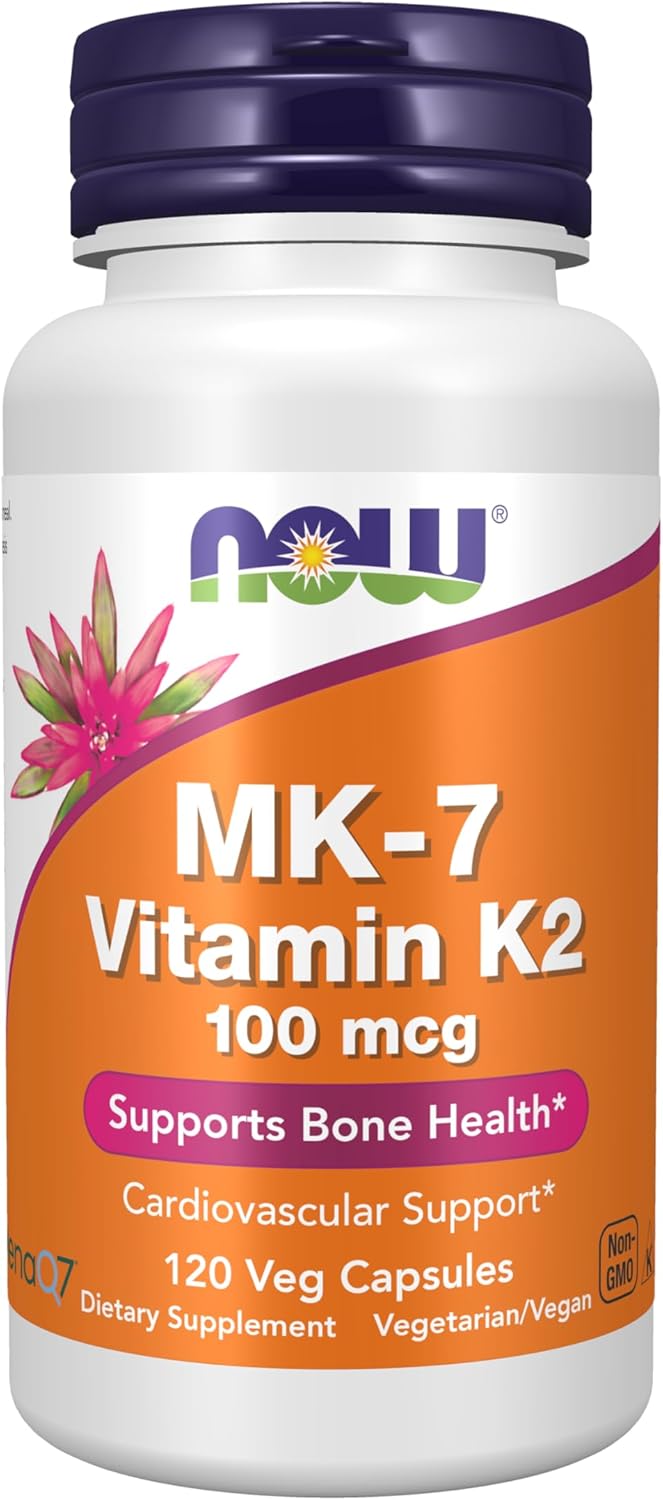
Vitamin K2 supplement bottle (example product listing)

Vitamin K2

What it is. Vitamin K is a fat-soluble vitamin involved in blood clotting and bone metabolism. K2 refers to a group of compounds called menaquinones (such as MK-4 and MK-7), found in fermented foods and some animal foods.

What it is often taken for. Often taken together with vitamin D and calcium for bone support. Research on K2 for bones and arteries is still developing and its conclusions are not settled.

Who may want to ask a clinician first. Anyone taking warfarin or a similar anticoagulant must talk to their prescriber before using any vitamin K product, because it can change how the medicine works.

Common forms. MK-4 and MK-7 capsules, and combination products that pair K2 with vitamin D3.

Label checks. Check which form of K is listed (K1 and K2 are not the same), the amount, and whether the product is a combination. Look for a USP or NSF seal.

Read more: Vitamin D, K2 and magnesium: do you need all three? · How to choose supplements: a 7-step safety checklist
Official source: NIH Office of Dietary Supplements: Vitamin K

View on Amazon Affiliate link. As an Amazon Associate we earn from qualifying purchases. Appearing here is not an endorsement.
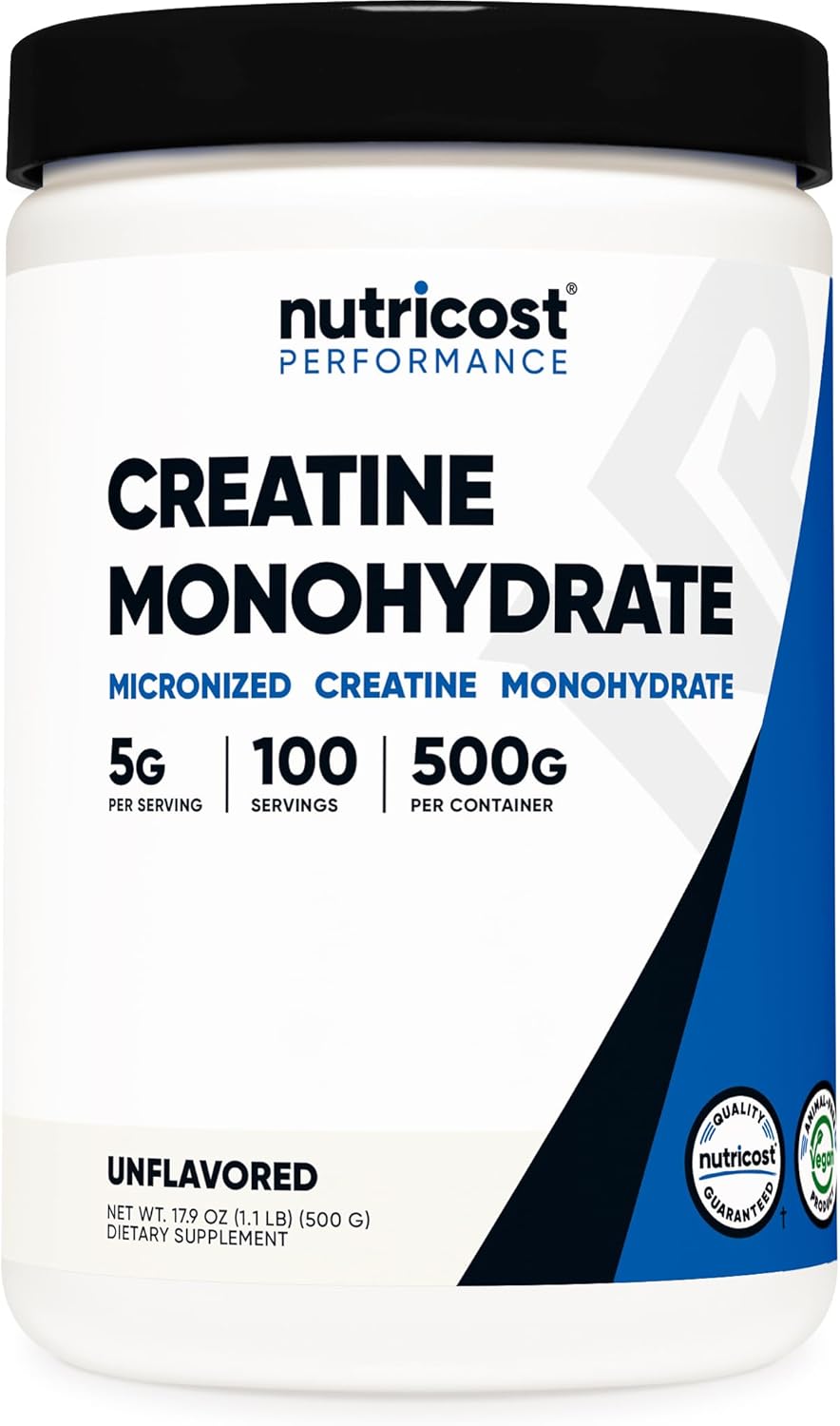
Creatine supplement container (example product listing)

Creatine

What it is. Creatine is a compound found in meat and fish and made in the body, where it helps muscles regenerate quick energy. Creatine monohydrate is the form studied most often.

What it is often taken for. Often taken by people doing resistance or high-intensity training. Research generally reports effects on short, intense exercise; findings on thinking and memory are preliminary and mixed.

Who may want to ask a clinician first. Ask a clinician first if you have kidney disease or take medicines that affect the kidneys, are pregnant or nursing, or are under 18. Weight gain from water retention is common early on.

Common forms. Monohydrate powder is the most common; capsules, chewables and gummies also exist, so check how much creatine each serving actually provides.

Label checks. Check that the product states creatine monohydrate, the amount per serving, and look for a USP or NSF seal. Athletes subject to drug testing may look for an NSF Certified for Sport mark.

Read more: High-protein eating: how much protein you need · How to choose supplements: a 7-step safety checklist
Official source: NIH Office of Dietary Supplements: Exercise and athletic performance

View on Amazon Affiliate link. As an Amazon Associate we earn from qualifying purchases. Appearing here is not an endorsement.

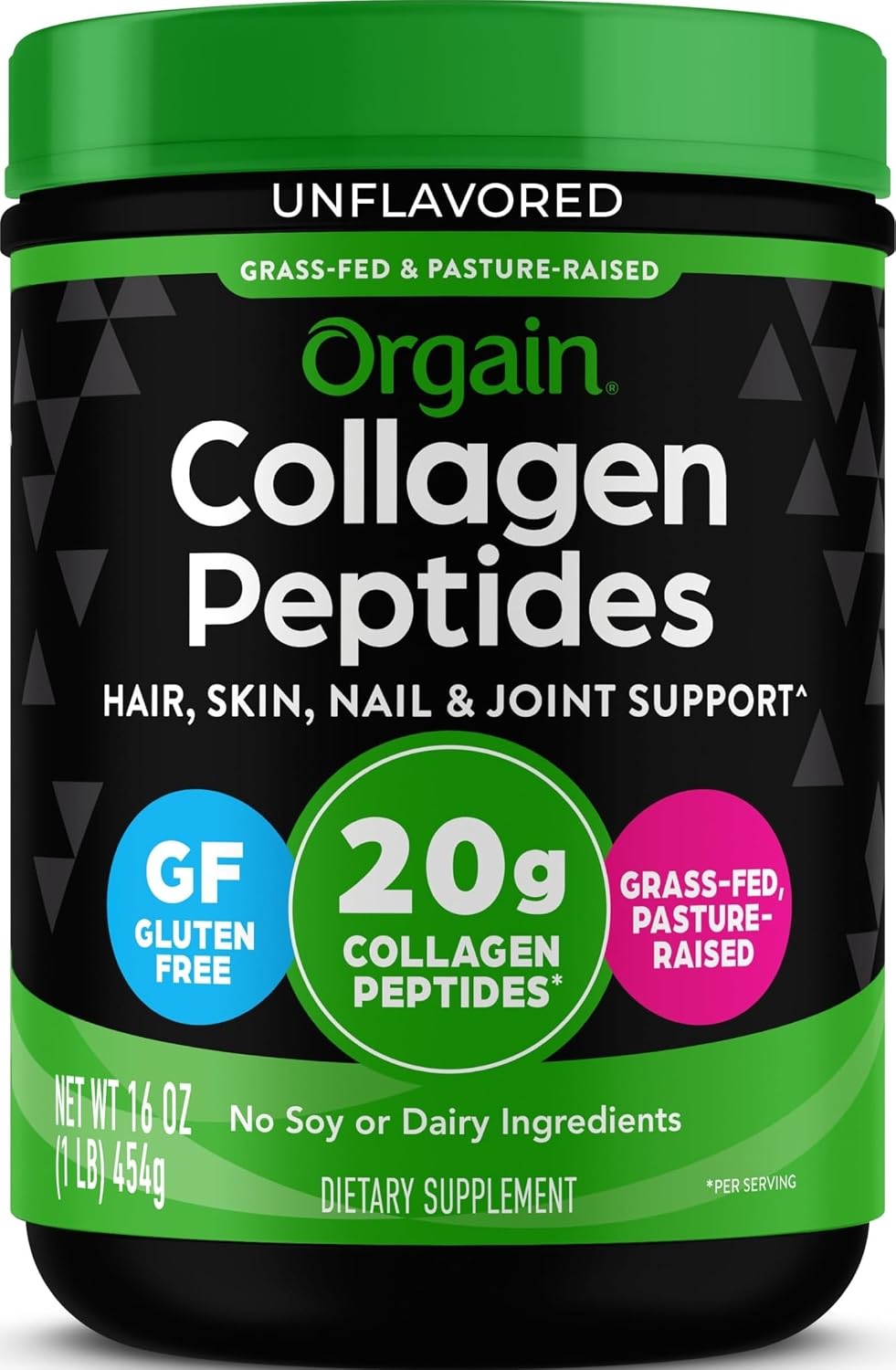
Collagen peptides supplement container (example product listing)

Collagen Peptides

What it is. Collagen peptides are collagen protein that has been broken into smaller pieces, usually from bovine, marine or chicken sources, and sold as powders or capsules.

What it is often taken for. Often taken for skin appearance and joint comfort. Some small studies report modest effects, but quality varies and there is no official guidance either way; the body digests collagen like other protein.

Who may want to ask a clinician first. Ask a clinician first if you have a fish, shellfish or egg allergy that matches the product source, are pregnant or nursing, or have kidney disease and have been advised to limit protein.

Common forms. Unflavored and flavored powders, capsules and ready-to-drink products; many add vitamin C, hyaluronic acid or sweeteners.

Label checks. Check the source animal, that it says hydrolyzed or peptides, the amount per serving, added ingredients, and look for a USP or NSF seal or published testing for heavy metals.

Read more: Collagen peptides: what the skin and joint research shows · How to choose supplements: a 7-step safety checklist

View on Amazon Affiliate link. As an Amazon Associate we earn from qualifying purchases. Appearing here is not an endorsement.

Lion's Mane mushroom supplement bottle (example product listing)

Lion's Mane

What it is. Lion's Mane (Hericium erinaceus) is an edible mushroom used in traditional cooking and medicine. Supplements are made from the fruiting body, the mycelium, or both.

What it is often taken for. Often taken for focus and mental clarity. Human research is limited and early, with small studies of mixed quality, so claims should be read cautiously.

Who may want to ask a clinician first. Ask a clinician first if you have a mushroom allergy, take blood thinners or diabetes medicine, or are pregnant or nursing, because safety data in these groups is limited.

Common forms. Capsules, powders, tinctures, gummies and coffee blends.

Label checks. Check whether the product uses fruiting body or mycelium grown on grain, how it was extracted, and what else is in the blend. Look for a USP or NSF seal or published testing.

Read more: How to choose supplements: a 7-step safety checklist · Daily supplements: what people take and what the NIH says

View on Amazon Affiliate link. As an Amazon Associate we earn from qualifying purchases. Appearing here is not an endorsement.

Berberine supplement bottle (example product listing)

Berberine

What it is. Berberine is a plant compound found in several herbs, including barberry. It is sold as a supplement and is also studied in laboratory and clinical research.

What it is often taken for. Often taken by people interested in blood sugar or cholesterol support. Some trials exist but vary in quality, and a supplement is not a substitute for medical care of diabetes or other conditions.

Who may want to ask a clinician first. Ask a clinician or pharmacist first, because berberine can affect blood sugar and interact with many medicines, including diabetes drugs and some immune-suppressing medicines. It is generally not recommended during pregnancy or nursing.

Common forms. Berberine hydrochloride in capsules or tablets, sometimes combined with other herbs.

Label checks. Check the berberine form and amount per serving, the plant source, any added herbs, and look for a USP or NSF seal. Be cautious with blends that make strong health claims.

Read more: How to choose supplements: a 7-step safety checklist · At-home vitamin and nutrient tests

View on Amazon Affiliate link. As an Amazon Associate we earn from qualifying purchases. Appearing here is not an endorsement.

Vitamin E supplement bottle (example product listing)

Vitamin E

What it is. Vitamin E is a group of fat-soluble compounds that work as antioxidants in the body. Nuts, seeds and vegetable oils are the main food sources.

What it is often taken for. Often taken for antioxidant and skin support. Large studies of supplements have generally not shown clear benefits for preventing chronic disease, and some found possible harm at high amounts.

Who may want to ask a clinician first. Ask a clinician first if you take blood thinners, have heart disease or a history of cancer, or are scheduled for surgery, because vitamin E can affect bleeding and may not suit everyone.

Common forms. Natural d-alpha-tocopherol, synthetic dl-alpha-tocopherol, mixed tocopherols and tocotrienols, usually as softgels.

Label checks. The "d-" form is natural and "dl-" is synthetic; check which is listed, the amount per serving, and look for a USP or NSF seal. Multivitamins also contain vitamin E.

Read more: Daily supplements: what people take and what the NIH says · How to choose supplements: a 7-step safety checklist
Official source: NIH Office of Dietary Supplements: Vitamin E

View on Amazon Affiliate link. As an Amazon Associate we earn from qualifying purchases. Appearing here is not an endorsement.

Myo-inositol supplement container (example product listing)

Inositol (Myo)

What it is. Inositol is a sugar-like compound found in foods and made by the body. Myo-inositol is the form most often sold, and some products combine it with D-chiro-inositol.

What it is often taken for. Often taken by people exploring support for PCOS-related concerns or mood. Research suggests possible effects on some markers, but studies are small and vary in quality, so it should not replace care from a clinician.

Who may want to ask a clinician first. Ask a clinician first if you are pregnant, trying to conceive, nursing, have bipolar disorder or diabetes, or take medicines for those conditions or for PCOS.

Common forms. Powders and capsules, with myo-inositol alone or in combination with D-chiro-inositol.

Label checks. Check which form and ratio the product uses, the amount per serving, sweeteners in powders, and look for a USP or NSF seal.

Read more: How to choose supplements: a 7-step safety checklist · At-home vitamin and nutrient tests

View on Amazon Affiliate link. As an Amazon Associate we earn from qualifying purchases. Appearing here is not an endorsement.

Quercetin supplement bottle (example product listing)

Quercetin

What it is. Quercetin is a plant pigment (a flavonoid) found in onions, apples, berries and tea.

What it is often taken for. Often taken for seasonal allergy symptoms or general immune support. Human evidence is limited, and laboratory findings do not always carry over to people.

Who may want to ask a clinician first. Ask a clinician or pharmacist first if you take antibiotics, blood thinners, cyclosporine or other medicines processed by the liver, have kidney disease, or are pregnant or nursing.

Common forms. Capsules and tablets, including versions combined with vitamin C or bromelain and versions marketed as "phytosome" formulations.

Label checks. Check the amount per serving, what it is combined with, and look for a USP or NSF seal. Be cautious of strong immune or allergy claims on the front of the label.

Read more: How to choose supplements: a 7-step safety checklist · Daily supplements: what people take and what the NIH says

View on Amazon Affiliate link. As an Amazon Associate we earn from qualifying purchases. Appearing here is not an endorsement.

NAC supplement bottle (example product listing)

NAC

What it is. N-acetylcysteine (NAC) is a modified form of the amino acid cysteine that the body uses to make glutathione, an antioxidant. In hospitals it is also used as a medicine for specific situations.

What it is often taken for. Often taken as an antioxidant or for respiratory and liver support. Evidence for most supplement uses is mixed, and the medical uses of NAC are not a reason to self-treat at home.

Who may want to ask a clinician first. Ask a clinician first if you have asthma, a bleeding disorder, take nitroglycerin or blood thinners, or are pregnant or nursing. Stomach upset and a sulfur-like smell are common.

Common forms. Capsules, tablets and effervescent powders.

Label checks. Check the amount per serving, other ingredients in blends, and look for a USP or NSF seal.

Read more: How to choose supplements: a 7-step safety checklist · Daily supplements: what people take and what the NIH says

View on Amazon Affiliate link. As an Amazon Associate we earn from qualifying purchases. Appearing here is not an endorsement.

Melatonin supplement bottle (example product listing)

Melatonin

What it is. Melatonin is a hormone the body produces in response to darkness that helps signal the sleep period. In the United States it is sold as a dietary supplement.

What it is often taken for. Often taken for jet lag, shift work and occasional trouble falling asleep. Research suggests modest effects at best, and it does not address the cause of ongoing sleep problems, which a clinician can evaluate.

Who may want to ask a clinician first. Ask a clinician first if you are pregnant or nursing, have an autoimmune or seizure condition, take sedatives, blood thinners, diabetes medicine or immune-suppressing drugs, or are choosing a product for a child.

Common forms. Tablets, gummies, sublingual lozenges and extended-release versions.

Label checks. Analyses of some products have found melatonin content that differed from the label, so a USP or NSF seal is especially useful. Check for added herbs or other sleep ingredients.

Read more: Magnesium for sleep: what the evidence says · How to choose supplements: a 7-step safety checklist
Official source: NCCIH: melatonin

View on Amazon Affiliate link. As an Amazon Associate we earn from qualifying purchases. Appearing here is not an endorsement.

Saw palmetto supplement bottle (example product listing)

Saw Palmetto

What it is. Saw palmetto (Serenoa repens) is a small palm; supplements are made from an extract of its berries.

What it is often taken for. Often taken by men for urinary symptoms linked to the prostate. Several well-designed trials have not found a clear benefit, so research is mixed at best.

Who may want to ask a clinician first. Urinary symptoms can have several causes, so see a clinician before self-treating. Ask first if you take blood thinners or hormone-related medicines, and note that it is not intended for pregnant or nursing people.

Common forms. Softgels and capsules containing berry extract, and teas.

Label checks. Look for the plant part (berry), the type of extract, the amount per serving, and a USP or NSF seal.

Read more: How to choose supplements: a 7-step safety checklist · Daily supplements: what people take and what the NIH says
Official source: NCCIH: saw palmetto

View on Amazon Affiliate link. As an Amazon Associate we earn from qualifying purchases. Appearing here is not an endorsement.

Turmeric curcumin supplement bottle (example product listing)

Turmeric / Curcumin

What it is. Turmeric is a spice from the root of Curcuma longa. Its main active compounds are curcuminoids, and supplements usually contain concentrated extracts rather than the kitchen spice.

What it is often taken for. Often taken for joint comfort. Research is mixed, and curcumin is poorly absorbed on its own, which is why some products add black pepper extract (piperine) or use special formulations.

Who may want to ask a clinician first. Ask a clinician first if you have gallbladder or bile duct problems, take blood thinners, diabetes medicine or other long-term medicines (piperine can change how some are absorbed), or are pregnant. Rare cases of liver injury have been reported with some turmeric supplements.

Common forms. Capsules, tablets, gummies and powders, with and without piperine or other absorption aids.

Label checks. Check the curcuminoid content, whether it contains piperine, and look for a USP or NSF seal or published testing for contaminants.

Read more: How to choose supplements: a 7-step safety checklist · Daily supplements: what people take and what the NIH says
Official source: NCCIH: turmeric

View on Amazon Affiliate link. As an Amazon Associate we earn from qualifying purchases. Appearing here is not an endorsement.

Before you buy anything

A few habits make supplement decisions safer and cheaper, whichever products you look at.

  • Start with food and your health history. Many nutrients are easier to get from meals, and a clinician can tell you whether a gap is likely for you.
  • Tell your pharmacist about everything you take. Interactions are the most common avoidable problem, and herbs and minerals can change how prescription medicines work.
  • Look for third-party testing. Seals such as USP or NSF on the label show that an independent organization has verified certain things about the product. They do not prove that a supplement will work for you.
  • Be skeptical of big promises. A supplement cannot be sold as treating, curing or preventing a disease, so claims that sound like medicine deserve a second look.
  • Consider testing before guessing. For some nutrients a blood test ordered with a clinician is the only reliable way to know whether you are low.

These guides go deeper on the same questions: